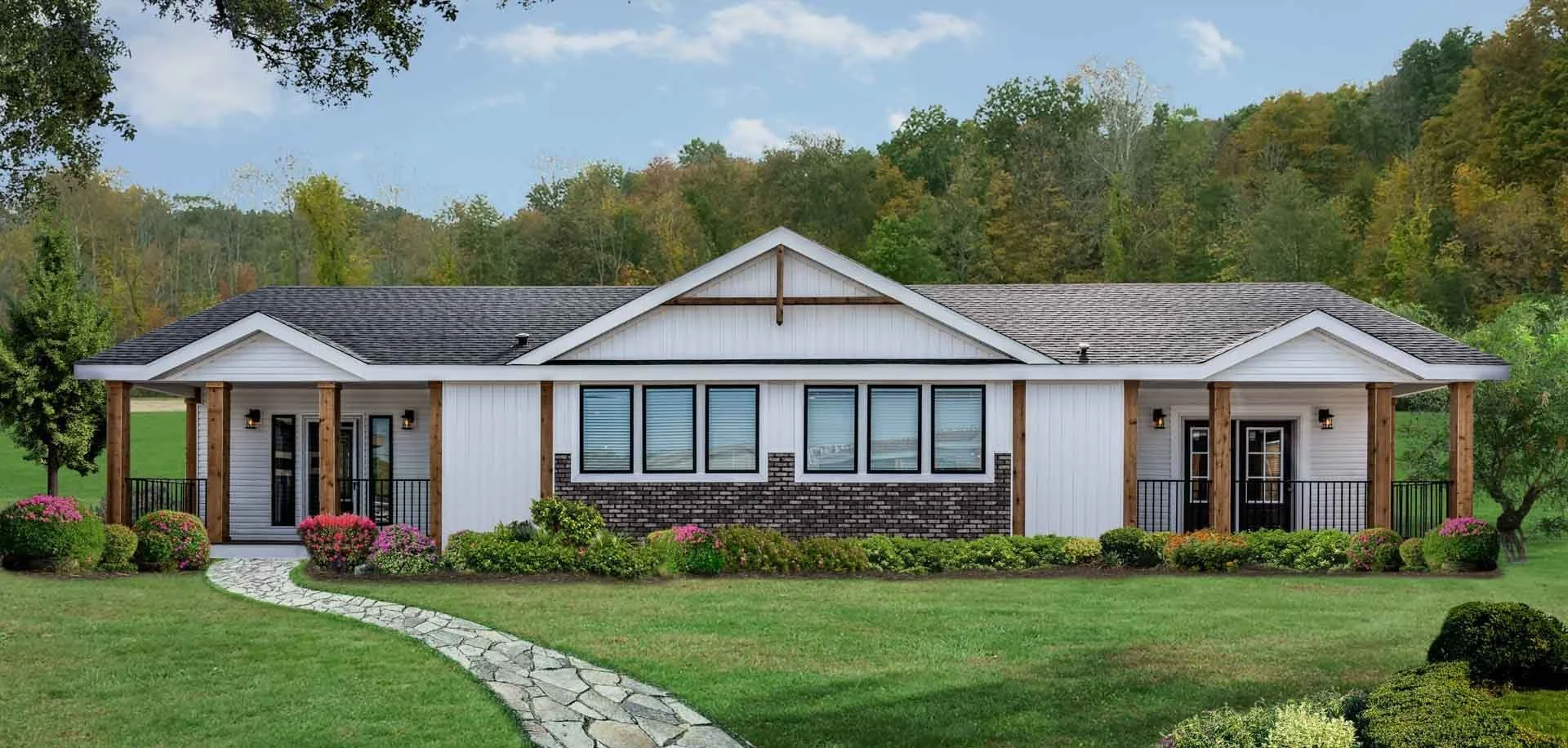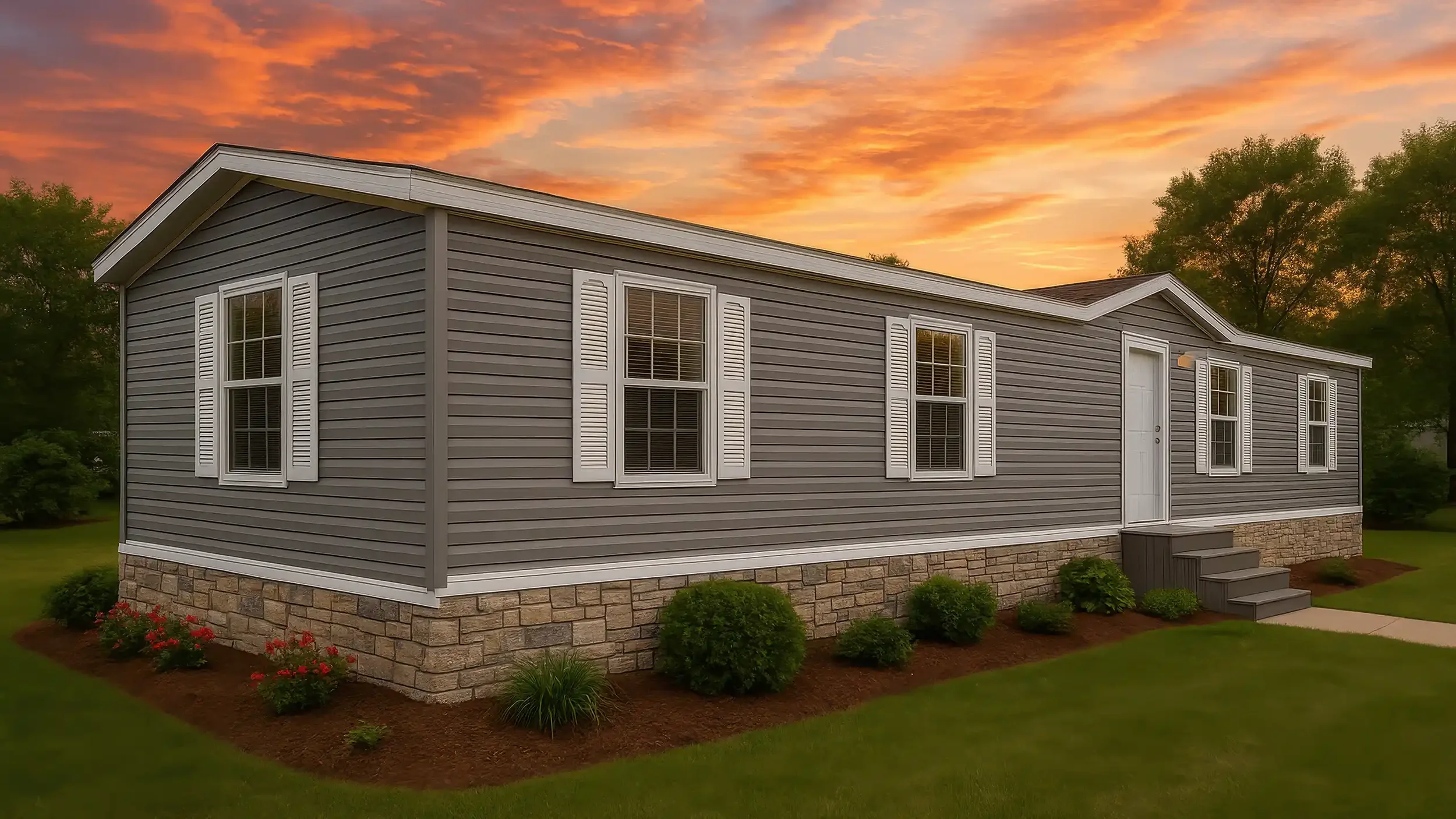
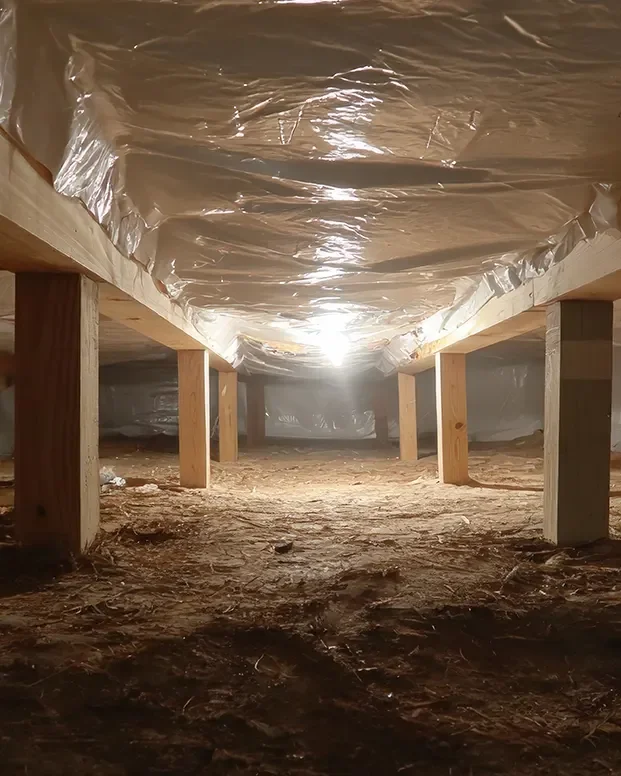
Vapor Barrier Installation & Patching
A vapor barrier (also known as a ground moisture barrier) is one of the most important, yet often overlooked, parts of your home’s foundation system. It prevents ground moisture from entering your crawlspace, which can lead to wood rot, mold growth, insulation damage, and poor indoor air quality. At Stillwater Leveling, we install and patch vapor barriers for manufactured and tiny homes to keep your foundation dry, stable, and protected year-round.
Homes that aren’t properly anchored are at high risk during storms, strong winds, or ground movement.
Over time, unanchored or poorly strapped homes can twist, lift, or shift off-center, damaging plumbing, skirting, and support structures.
Outdated strap-style tie-downs secure the home in only two directions and often fail to meet HUD compliance requirements, leaving homeowners vulnerable during severe weather or seismic activity.
Our Solution
Stillwater Leveling installs Xi2 Earthquake-Resistant Bracing Systems, the federally compliant standard for long-term safety and performance. These rigid, galvanized steel systems connect directly to your home’s frame, securing it in all four directions, up, down, and side-to-side. The Xi2’s design eliminates slack and corrosion while providing superior resistance to uplift and lateral movement caused by storms, soil changes, or earthquakes.
Learn more about the Xi2 Earthquake-Resistant Bracing System (PDF).
Designed for Long-Term Structural Stability
Full Structural
Prevents shifting, uplift, and lateral movement during high winds or earthquakes.
HUD & FHA Approved
Fully compliant with HUD 24 CFR Part 3280 and FHA foundation requirements, essential for loans, refinancing, and insurance.
4-Way Hold Stability
Unlike 2-way strap systems, Xi2 anchors secure the home in four directions for complete foundation stability.
Transparent Pricing
Installation starts at $2,100, with an optional $500 engineer’s certification (required for lending, refinancing, or home sales).
Permanent, Rigid Design
Galvanized steel components don’t stretch or rust, ensuring long-term reliability.
Manufactured-Home Foundation Specialists You Can Trust
Stillwater Leveling specializes exclusively in manufactured-home foundations and anchoring systems. We ensure each installation meets or exceeds federal standards while improving your home’s long-term stability and resale value.
Federal HUD-approved installation methods
Certified technicians experienced in Xi2 installations
Local engineer partnerships for FHA/VA certifications
Often completed same day (with releveling if needed)
Family-owned, Oregon-based company trusted across the PNW
“Stillwater installed our Xi2 system, and the difference in stability is noticeable right away. The process was quick, clean, and professional.”
— T. Marshall, Salem, OR
Hundreds of homes anchored across Oregon & Washington
·
100 % HUD compliant installations
·
Preferred installer for lenders and engineers throughout the Pacific Northwest
·
Hundreds of homes anchored across Oregon & Washington · 100 % HUD compliant installations · Preferred installer for lenders and engineers throughout the Pacific Northwest ·
Our Process
1
Free Inspection
We evaluate your foundation and anchoring needs.
4
Engineer’s Certification
Optional. If you’re buying, refinancing, or selling, we coordinate with a licensed engineer to provide certification documentation.
2
Relevel (if needed)
Before anchoring, we ensure your home is properly leveled to ensure the system performs correctly.
5
Final Review
We review the installation with you and confirm that your home meets HUD and local requirements.
3
Xi2 Installation
We install rigid, galvanized anchors directly to the frame, providing maximum hold and long-term durability.
Frequently Asked Tie-Down Anchoring Questions
-
Old-style strap systems only secure the home in two directions and can loosen or rust over time. Xi2 anchors provide a 4-way hold, remain rigid, and are made from galvanized steel for long-term strength and compliance.
-
Yes. HUD and FHA require approved anchoring systems like Xi2 for foundation certification and loan eligibility.
-
We recommend releveling first. Anchoring locks the home in its current position, so ensuring it’s level beforehand guarantees a proper, lasting setup.
-
While anchoring greatly minimizes movement, no system can completely prevent shifting. Environmental factors like soil expansion, erosion, or seismic activity can still cause slight changes over time—but not nearly to the extent of an unanchored home.
-
Only if you’re buying, refinancing, or selling your home. The certificate costs $500 and verifies compliance with HUD and lending requirements.
-
Most anchoring projects are completed in one day, depending on access and conditions.